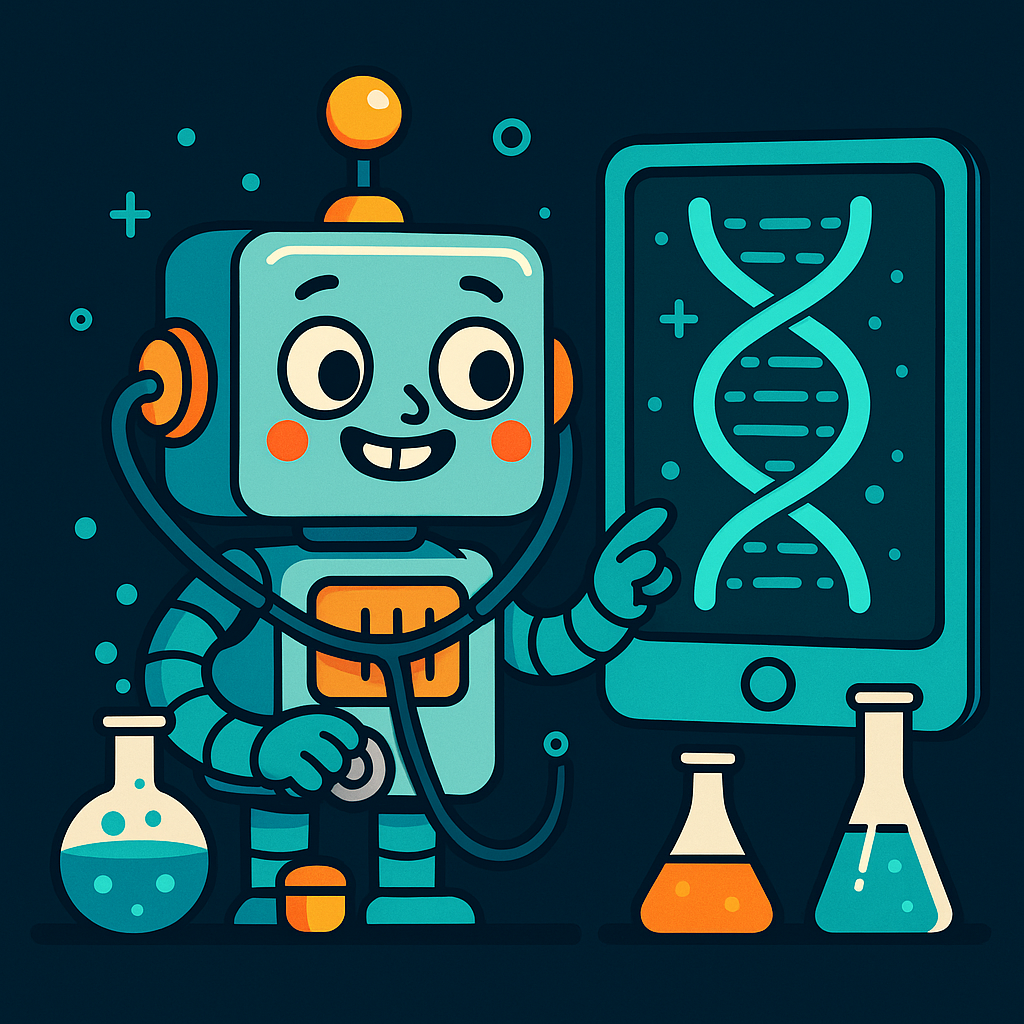
Alright, so OpenAI's just snagged Orchestra Bio, a startup that's been tinkering with AI in biotech. TechCrunch spills the beans that they're aiming to ramp up their biotech efforts, especially with their Rosalind AI model and the Rosalind Workbench tool. Honestly, it sounds like a smart move. Biotech is a field that's just begging for some fresh innovation, and AI could be the spark it needs. But let's be real, whenever a big tech company starts swallowing up smaller ones, I can't help but raise an eyebrow.
What Does This Mean for Biotech?
OpenAI isn't the first to jump into biotech, but they're not messing around. With the buzz around AI in drug discovery, it's a no-brainer. Orchestra Bio's gig? They build AI agents that streamline drug discovery, manage finances, and untangle the mess of clinical trial scheduling. If you've ever been near biotech, you know that's like herding cats while juggling flaming swords.
The Rosalind AI model already boasts clients like Moderna and Novo Nordisk. That's legit. So, pulling Orchestra Bio's know-how into their orbit might just open more doors. Or at least, reinforce the ones they've already got a foot in. Adding AI to life sciences could speed up research and sharpen results. Fingers crossed, anyway.
AI's Growing Role in Big Industries
This move is part of a bigger trend: AI labs stepping into major industries. Whether it's pharma, finance, or telecom, AI's the hot ticket. For startups, getting scooped up by a giant like OpenAI might feel more like a win than a loss. The alternative? Going head-to-head with these giants, which is a daunting prospect.
From my telecom and AI-building days, the parallels are clear. Smaller companies always faced the choice: keep battling or join forces with bigger players for more resources and reach. In AI, teaming up with a behemoth like OpenAI can give startups the scale they can't achieve solo. Orchestra Bio probably saw this as their chance to make a bigger splash in biotech.
I've seen this play out in telecom and contact centers, too. The consolidation often leads to more streamlined operations, but it can also stifle innovation if the larger company isn't careful. It's a balancing act. The trick is to maintain the nimbleness of a startup while leveraging the giant's resources. Not easy, but not impossible either.
Why Should We Care?
If you're in tech, especially if you've been around a while, this acquisition is a wake-up call. OpenAI isn't just about upping the chatbot game; they're eyeing how AI can shake up industries that are typically slow on the uptake. Biotech, with its complexity and red tape, is ripe for a shake-up (there's that word again).
But let's not get carried away. AI's promise in biotech isn't just about speed; it's about getting reliable, accurate results. There's always a learning curve, and early attempts might be rocky. We'll see if OpenAI can walk the talk and make biotech research more efficient and less prone to errors.
And there's a human element here. When you're developing AI solutions, especially in something as critical as biotech, you can't just throw algorithms at the problem and hope for the best. It reminds me of the early days of automated customer service systems. We thought we could just plug in some tech and replace human operators. Spoiler: it wasn't that simple. We had to iterate, learn from mistakes, and constantly tweak systems to get them right.
What Comes Next?
We'll have to wait and see how this acquisition plays out. Will OpenAI successfully blend Orchestra Bio's tech into their own? Could it lead to breakthroughs in drug discovery? For those of us watching from the sidelines, it's a mix of excitement and cautious optimism. The goal isn't just to make money. It's about using tech to tackle some of the world's toughest problems. If AI in biotech can hit even a bit of its potential, we're in for an interesting ride.
For those building with AI, this is a reminder of the vast potential still untapped. It's like being handed a Swiss Army knife when you're used to a basic pocket knife. Suddenly, you've got all these new tools at your disposal. But more tools mean more complexity, and you need to know how to wield them effectively. That's where the fun (and the challenge) lies.
So, what do you think? Is this a match made in biotech heaven, or just another case of big fish eating little fish in the tech pond? Drop your thoughts in the comments. And if you're working on AI projects, especially in the biotech space, I'd love to hear how you're navigating these waters. It's an exciting time to be in tech, but it's also a time for careful consideration and strategic action.