
Meta's Spaces for Muse agents isn't just a flashy update. It's a step towards making AI-driven collaboration tools actually useful in everyday scenarios. This is about creating work environments that adapt to what users truly need, rather than forcing them into a one-size-fits-all model.
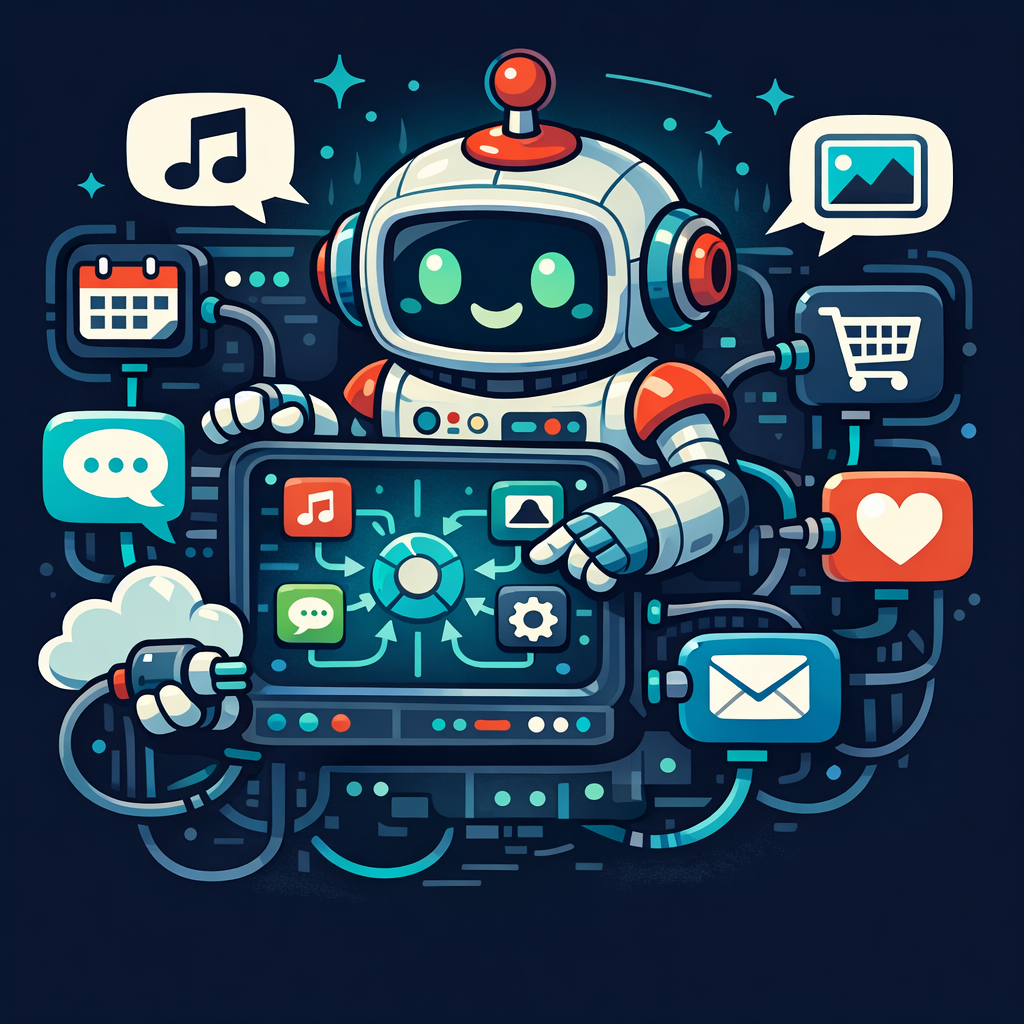
Spaces takes a modular approach to task management. Instead of a static digital assistant, Meta offers a dynamic workspace where Muse agents act more like interactive project managers. They're integrated with third-party apps to auto-update information, like concert dates or price changes, streamlining processes without constant user input.
Engineering the Architecture of Spaces
Spaces function like project-specific boards, each initiated by describing an idea to Muse. Whether planning a vacation or tracking holiday gifts, each Space adapts to its purpose. This requires sophisticated orchestration, particularly with context management. Keeping track of context across sessions isn't trivial; it demands efficient memory and retrieval systems to maintain accuracy without dragging down performance.
Context windows are critical here. They ensure that Muse retains relevant information across interactions. This involves balancing memory efficiency and retrieval speed to avoid latency issues, which is no small feat in a system that integrates varied data sources. If you've ever worked on multi-agent RAG workflows or AI receptionist platforms, you know how delicate this balance can be. Memory must be optimized to handle the barrage of data points without becoming a bottleneck.
Navigating Third-Party Integrations
Spaces' ability to integrate with third-party apps is a headline feature, but it's also where the engineering challenges pile up. Automatic updates reduce manual input but introduce typical integration issues: handling API rate limits, dealing with data discrepancies, and ensuring data privacy and security.
From an engineering perspective, robust API strategies are crucial. Developers must anticipate failure modes—like API downtime or incorrect data—and design systems that can gracefully degrade without failing completely. This resilience is key to maintaining the reliability of Spaces. In my experience with building multi-tenant SaaS architectures, these strategies are non-negotiable. A single API hiccup shouldn't bring down the whole system.
There's a parallel here with Twilio integrations in voice and SMS automation. Just like handling voice call routing requires precise control over latency and error handling, integrating diverse apps into a cohesive experience demands a meticulous approach to API management.
Actionable Insights for Developers
If you're inspired by Meta's approach, focus on your context management and API integration strategies. Ensure your systems can handle complex, multi-source data integration while staying user-friendly. Plan for resilience by anticipating integration failures and designing for graceful degradation. This means building robust monitoring and alerting systems to catch issues before they impact users.
Consider the implications for your own projects. When I've worked on AI systems, one of the key lessons has been the importance of user experience. Rather than just adding features, think about how each component serves the end goal of a seamless user journey. AI agents in productivity tools aren't just about assistance; they're about actively managing and anticipating user needs. This opens new avenues for innovation in project workflows.
Comparing Meta Spaces to Other AI Platforms
Meta's approach with Spaces can be contrasted with other AI-driven collaboration tools. Take Google's AI integrations in Workspace, for instance. While Google focuses on enhancing existing tools with AI, Meta seems to be building a more interactive and flexible environment from the ground up. This is akin to the difference between enhancing a traditional contact center with AI features versus reimagining the entire interaction process with AI at its core.
The emphasis on modularity and customization in Spaces is also noteworthy. Unlike static AI assistants, which can feel rigid and prescriptive, Spaces allows for the dynamic creation of user-specific workflows. This aligns with the trend towards more personalized digital experiences, something that's becoming increasingly important in AI-driven software design.
Why This Matters
Meta's Spaces pushes us closer to a future where AI isn't just an add-on but a core part of collaborative work. Yes, it introduces technical challenges, but the potential for increased productivity and personalized experiences is worth the effort. Developers should pay attention to this evolution—not just for inspiration, but for the practical lessons in system design and integration.
For more details, check out the original announcement on TechCrunch.