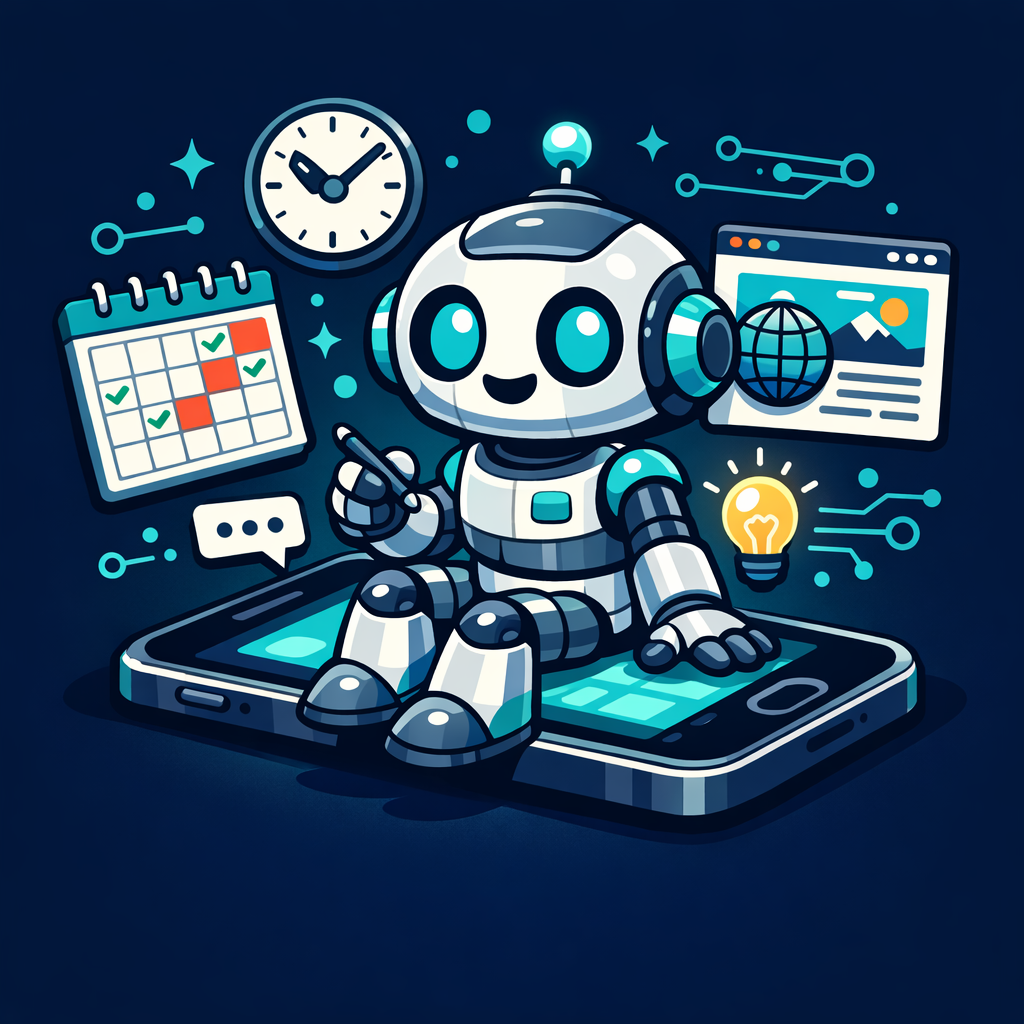
On-device AI is making waves, and for good reason. The introduction of BotPsy, an on-device personal assistant powered by a sub-billion-parameter model, marks a significant shift in how we think about deploying AI. It challenges the status quo of massive cloud-based LLMs by focusing on privacy and efficiency—two critical factors often overlooked in the race for bigger models. When cloud infrastructure becomes a bottleneck or a risk, on-device solutions offer a controlled, secure alternative.
BotPsy isn't just smaller; it's smarter for specific tasks. With 0.8 billion parameters, it operates directly on your device, sidestepping many cloud-related vulnerabilities and costs. This kind of local processing means your data stays with you, reducing exposure to breaches and third-party restrictions. As smaller models become more capable, we need to rethink the assumption that larger always means better—especially for applications where privacy and cost are paramount.
Technical Analysis: Architecture and Its Real-World Impact
BotPsy is built on the Qwen3.5-0.8B model, designed for efficient tool use and agentic workflows. It excels in specific tasks, handling web search, travel, commerce, and device control with notable efficiency. This performance isn't just about fewer parameters; it's about how those parameters are used. BotPsy follows instructions reliably and manages multi-turn interactions without the computational drag of larger models.
For developers, this translates to reduced latency and lower costs. On-device processing means responses are faster—critical in user-focused environments. And because data processing happens locally, the privacy advantages are clear: your data isn't bouncing around the cloud, vulnerable to interception or misuse.
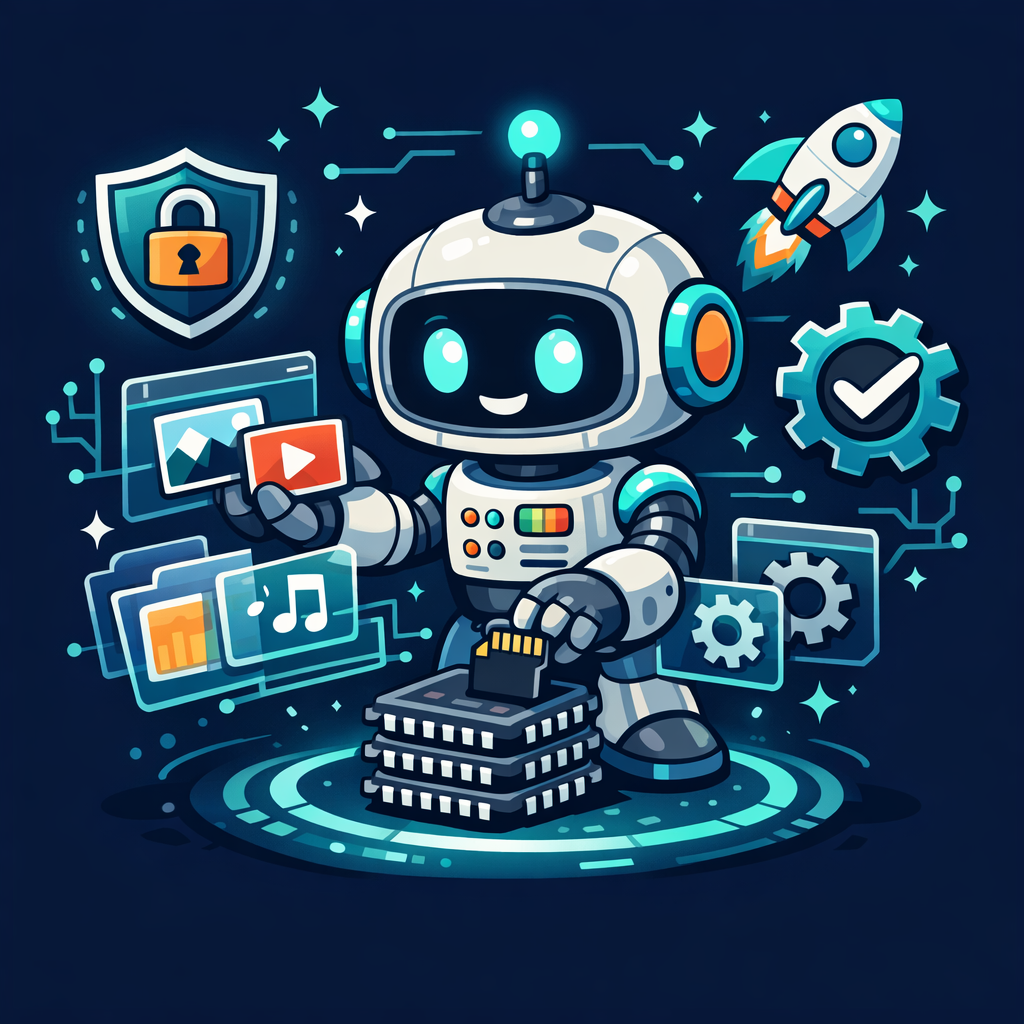
Security is another area where BotPsy shines. It significantly reduces unsafe responses and is more resistant to prompt-injection attacks compared to its predecessors. This makes it a strong candidate for applications where security can't be compromised.
A Deeper Dive into On-Device AI
So why is on-device AI becoming more feasible and attractive? A few factors are at play. First, advancements in hardware mean that even devices like smartphones can now support significant computational loads. The efficiency of models like Qwen3.5-0.8B allows them to thrive on constrained hardware without sacrificing too much in terms of performance. This is crucial for maintaining a seamless user experience without the heavy reliance on cloud resources.
There's also a compelling cost narrative here. Running large models in the cloud incurs ongoing expenses tied to server uptime, data transfer, and storage. On-device models, once deployed, can significantly cut these operational costs. This isn't just a boon for individual users; it could reshape how companies think about deploying AI at scale, potentially lowering the barrier for entry for smaller players who can't afford the cloud giants' bills.
Considerations for Builders
Developers and engineering leaders should take note: BotPsy presents a strong case for rethinking reliance on large cloud LLMs. If your AI system demands stringent privacy or operates under tight budget constraints, exploring on-device models like BotPsy could be beneficial. Its open-source nature under the Apache 2.0 license means you can tweak and tailor it to fit your needs.
However, it's essential to weigh the trade-offs between model size and task complexity. Not every task needs a massive model, and a smaller, more efficient one might deliver better results in terms of cost, speed, and user satisfaction. That said, on-device models might not yet match the depth of understanding or versatility that larger cloud-based systems can offer, particularly in more complex or nuanced applications.
Real-World Implications: A Practical Perspective
In my experience building AI systems, the balance between cloud and edge computing is not just a technical decision; it's strategic. For instance, when designing multi-agent RAG workflows, the choice of where to process data can impact everything from user latency to compliance with data protection regulations. On-device AI like BotPsy can offer a way to maintain control over data, an increasingly important consideration in a world of growing data privacy concerns.
But there's more to consider. For developers working within sectors like healthcare or finance, where data sensitivity is paramount, the ability to process information locally can be transformative. It reduces the need for complex encryption and decryption processes required when data is constantly shuttled to and from the cloud.
The Future of AI Deployment
BotPsy's launch is part of a broader trend towards decentralizing AI processing. As the industry evolves, we might see a shift from cloud-centric strategies to a more balanced approach that includes both cloud and edge computing. For many applications, especially those prioritizing privacy and efficiency, on-device models could become the go-to solution.
In the end, BotPsy isn't just about doing more with less—it's about doing it smarter and safer. It challenges the notion that bigger is always better, pushing us to reconsider how we build AI systems. For more on BotPsy and its capabilities, check out the original announcement.